
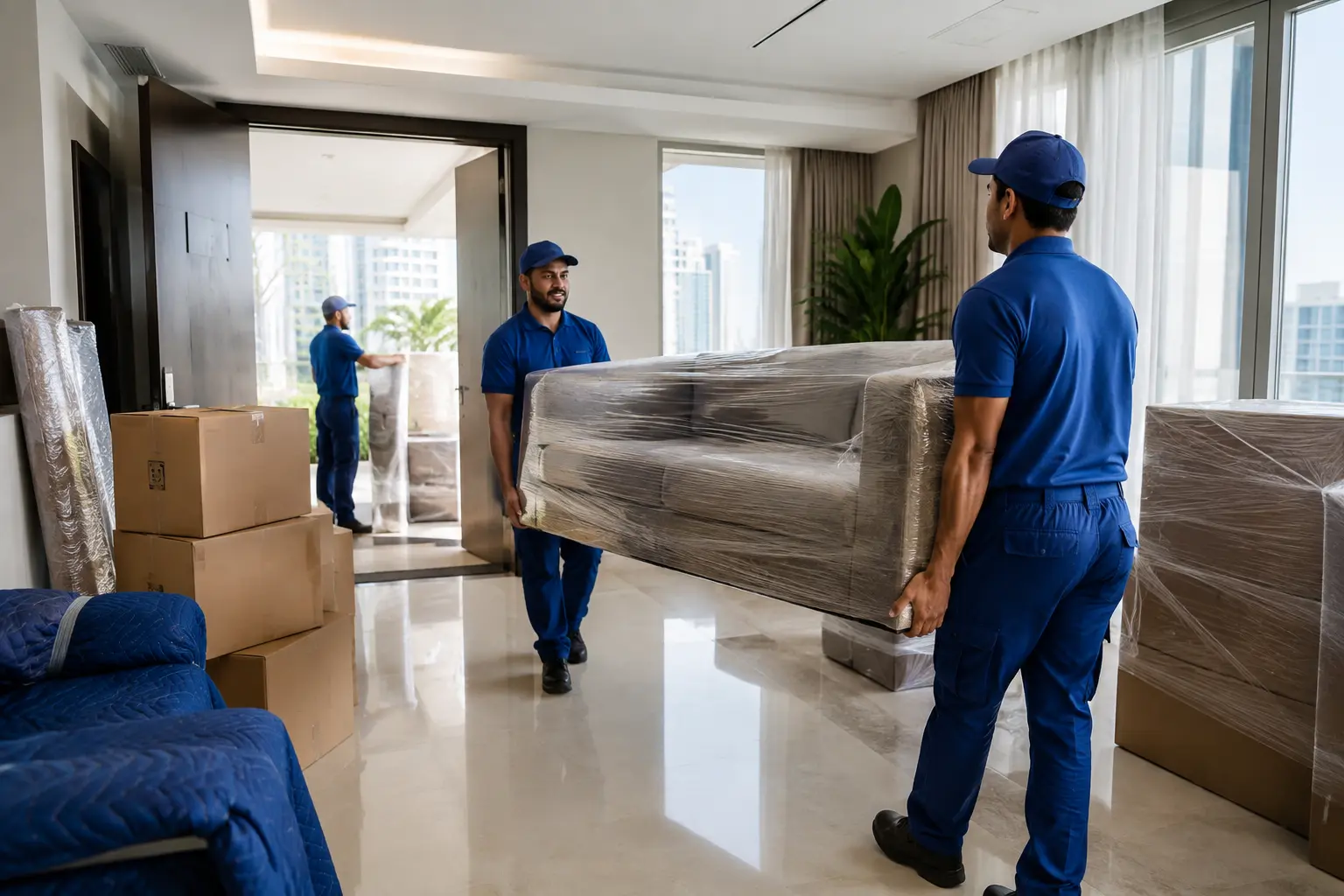
Moving to a new home in Dubai can be an exciting experience, but the actual relocation process requires careful planning. From packing household belongings and protecting furniture to arranging building access and transporting everything safely, there are several details that need attention.

Whether you are moving from an apartment in Dubai Marina, a villa in Arabian Ranches, or a family home in Jumeirah, preparing in advance can make the entire process much easier.
This guide explains the most important steps to consider when planning a residential move in Dubai.
Start Planning Your Move Early
One of the most common mistakes people make is leaving everything until the last few days. A rushed move can result in forgotten belongings, poorly packed boxes, damaged furniture and unnecessary stress.
Ideally, start planning several weeks before your moving date.
Begin by deciding what you actually want to take with you. Moving is a good opportunity to go through wardrobes, storage areas, kitchen cabinets, garages and other spaces where unused items may have accumulated.
Separate your belongings into four categories:
- Items to move
- Items to donate
- Items to sell
- Items to dispose of
Reducing the number of items you need to transport can make the move quicker and more economical.
Check Your Building or Community Requirements
Dubai properties can have different moving procedures. Apartment buildings, residential towers and gated communities may require advance coordination with management or security.
Before moving day, check whether you need:
- A move-out approval
- A move-in permit
- Elevator or service-lift booking
- Parking arrangements for the moving vehicle
- Access approval for the movers
- Security deposits where applicable
It is better to confirm these requirements early rather than discover them when the moving truck arrives.
A delay caused by an unavailable service elevator or missing approval can affect the entire moving schedule.
Create a Room-by-Room Packing Plan
Packing everything randomly makes unpacking much harder.
Instead, pack one room at a time and keep similar belongings together. Clearly label each box with the destination room and a brief description of its contents.
For example:
Master Bedroom: Bedside items and accessories
Kitchen: Plates, cookware and utensils
Living Room: Decorative items and electronics
Children’s Room: Books, toys and clothes
This simple system allows movers to place boxes in the correct rooms at the new property and makes unpacking considerably easier.
Give Extra Protection to Fragile Belongings
Glassware, mirrors, televisions, artwork, crockery and decorative items require additional protection during transportation.
Use suitable packing materials such as bubble wrap, sturdy cartons, protective sheets and furniture blankets. Fragile items should not be left loose inside large boxes because movement during transportation can cause breakage.
Electronics should also be prepared carefully. If possible, take photographs of cable connections before disconnecting televisions, computers and other equipment. These photographs can make reconnecting everything at the new property much easier.
Protect Furniture Before Loading
Large furniture can easily be scratched or damaged during dismantling, carrying and transportation.
Wardrobes, beds, dining tables, sofas and other large pieces should be properly protected before they leave the property.
Depending on the item, movers may use:
- Furniture blankets
- Stretch wrapping
- Protective sheets
- Bubble wrap
- Corner protection
- Strong packing tape
Furniture that needs dismantling should be carefully taken apart and its screws, fittings and hardware kept together in labelled bags.
This is particularly important when moving larger homes where dozens of individual furniture components may be involved.
Prepare a Moving Day Essentials Bag
Not everything should go into the moving truck.
Prepare a separate bag or box containing the things your family may need immediately after arriving at the new home.
This can include:
- Important documents
- Mobile phone chargers
- Basic toiletries
- Medicines
- Change of clothes
- Drinking water
- Snacks
- Cleaning supplies
- Basic kitchen items
- Keys and access cards
Keeping these items with you means you will not need to search through dozens of moving boxes on your first evening.
Consider Professional Moving Assistance
A residential move involves much more than loading boxes into a truck. Furniture needs to be dismantled, packed, carried through hallways or elevators, loaded securely, transported and then positioned at the destination.
For larger homes, attempting to manage everything without experienced help can quickly become overwhelming.
Professional Movers & Packers Dubai can handle different stages of the relocation process, including packing, furniture protection, loading, transportation, unloading and furniture reassembly.
Movers & Packers Dubai provides residential moving solutions for customers relocating within Dubai, including apartment and villa moves.
Apartment Moves and Villa Moves Require Different Planning
Not every residential move is the same.
An apartment relocation may involve elevators, loading areas, building access restrictions and limited parking. A villa relocation can involve multiple floors, larger furniture, gardens, garages and significantly more belongings.
For a villa move, it is useful to identify outdoor furniture, garden equipment, storage items and other belongings that might otherwise be overlooked.
The moving team should also know about stairs, narrow entrances, large furniture pieces and any other access challenges before moving day.
Make a Final Check Before Leaving
Before handing over your old property, walk through every room carefully.
Check:
- Wardrobes and cupboards
- Kitchen cabinets
- Bathrooms
- Balconies
- Storage rooms
- Garage areas
- Garden spaces
- Shelves and drawers
It is surprisingly easy to leave small belongings behind when attention is focused on large furniture and moving boxes.
Take photographs of the property after everything has been removed. This can also help you document the condition of the property during the handover process.
Keep Important Documents Separate
Moving-related documents should never be packed into a box that goes into the moving truck.
Keep important paperwork accessible throughout the relocation. Depending on your situation, this may include identification documents, tenancy information, property access details and moving approvals.
Having these documents readily available can save considerable time if building management or security requests them.
How to Choose a Moving Company in Dubai
If you decide to hire professional movers, do not select a company based only on the lowest price.
Consider the following factors:
Experience
Look for a company that regularly handles the type of relocation you are planning.
Services
Check whether the quotation includes packing, dismantling, transportation, unloading and reassembly or whether these are charged separately.
Quote Clarity
A written quotation should clearly explain what is included in the service.
Equipment
Professional moving equipment and appropriate protective materials can significantly reduce the risk of damage.
Communication
The moving company should clearly confirm the date, time, property locations and scope of work before moving day.
Final Thoughts
A successful home relocation in Dubai depends largely on preparation. Starting early, reducing unnecessary belongings, organizing your packing, confirming building requirements and protecting furniture can prevent many common moving problems.
For larger or more complicated relocations, professional moving assistance can save time and reduce the physical work involved. With the right preparation and a reliable moving team, moving into your new Dubai home can be a much more organized and comfortable experience.
Leave a Reply